Non‐enzymatic browning is often associated with the Maillard reaction. However, a number of other chemical reactions that do not fall within the definition of the Maillard reaction are involved in non‐enzymatic browning. This include caramelization and ascorbic acid browning reaction.
Heating is commonly used in many food processing and preparation systems and chemical reactions result with added or naturally containing sugars transformed to non-enzymatic browning products by way of the Maillard reaction or caramelization.
Their products can be divided into small molecule products, which are the important sources of food flavor, food aroma and colorless intermediate products and the finally formed browning macromolucular products, i.e. the browning products, which confer the food colors.
L -Cysteine is known to be one of the most important precursors of meat-like flavor compounds. L-Ascorbic acid is a common ingredient of the human diet, especially in fruit and vegetables, herbs, and to a lesser extent in meat. In food industry, lysine is commonly used as the food fortifier and feed additive.
L-ascorbic acid is an important nutrient for human beings and is also widely present in the nature. In food processing, L-ascorbic acid is widely used as food additive, anti-oxidant, and flour improver in bakeries.
Research shows that the effect of pH on the formation of aroma compounds from L-Ascorbic acid and L -Cysteine during the non-enzymatic browning reaction and discovered that the reaction between L-Ascorbic acid and L -Cysteine led mainly to the formation of alicyclic sulphur compounds, thiophenes, thiazoles, and pyrazines.
Caramelization is a nonenzymatic browning reaction of sugars providing a caramel-like flavor during high temperature treatments of foods. It is the process of removal of water from a sugar followed by isomerization and polymerization steps. Baking times and temperatures are similarly important for caramelization of non-reducing (sucrose) and reducing sugars to produce brown color polymers such as caramelans, caramelens, and caramelins, as well as volatile chemicals which produce characteristic caramel flavor.
Non-enzymatic browning reactions
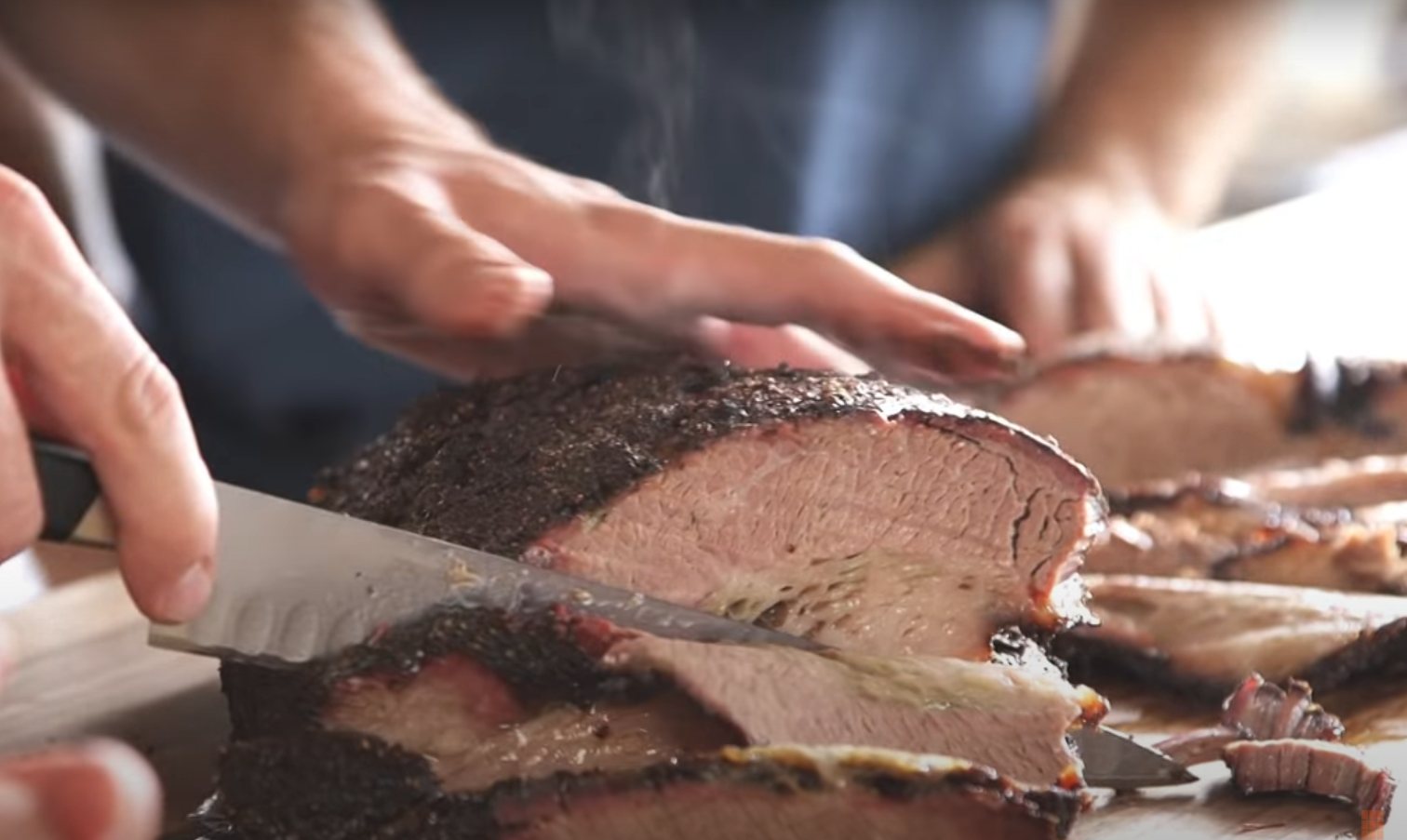
The primary goal of food is to promote our health and general well-being. Food science entails comprehending the characteristics, composition, and behaviors of food constituents in different situations, such as storage, handling, and consumption.
Showing posts with label browning reactions. Show all posts
December 6, 2020
October 23, 2020
Enzymatic Browning Reactions
There are two important forms of reaction leading to browning are enzymatic phenol oxidation and nonenzymatic browning.
Enzymatic browning in many food systems usually causes the undesirable appearance, but with a knowledge of the type of reaction involved, it is easier to work out methods for controlling this change. Basically, enzymatic browning can be defined as an initial enzymatic oxidation of endogenous phenols into slightly colored quinones.
These quinones are then subjected to further reactions, enzymatically catalyzed or not, leading to the development of pigments. When the surfaces of fruits and vegetables are cut, the browning occurred and is caused by reactions of the o-quinones. These are oxidations that are catalyzed nonenzymatically, followed by polymerization of the oxidation products.
Enzymatic browning is mostly linked with polyphenol oxidases, which are able to act on phenols in the presence of oxygen.
Enzymatic Browning Reactions
Enzymatic browning in many food systems usually causes the undesirable appearance, but with a knowledge of the type of reaction involved, it is easier to work out methods for controlling this change. Basically, enzymatic browning can be defined as an initial enzymatic oxidation of endogenous phenols into slightly colored quinones.
These quinones are then subjected to further reactions, enzymatically catalyzed or not, leading to the development of pigments. When the surfaces of fruits and vegetables are cut, the browning occurred and is caused by reactions of the o-quinones. These are oxidations that are catalyzed nonenzymatically, followed by polymerization of the oxidation products.
Enzymatic browning is mostly linked with polyphenol oxidases, which are able to act on phenols in the presence of oxygen.
Enzymatic Browning Reactions
October 28, 2015
Quinones
By definition, a quinone is a cyclohexadienedione. Those with carbonyl groups ortho to each other are called 0-quinones; those with carbonyl groups para to each other are called p-quinones.
Enzymatic (oxidative) browning occurs on the cut surfaces of certain fruits, such as apples, peaches, bananas and pears.
Oxygen becomes available when the cut surface is exposed to air. The enzyme catalyzes the oxidation of the polyphenolic substrate to quinone. Quinones are not dark in color but are readily polymerized to dark-colored compounds.
Quinones are a special class of ketones in which carbonyl groups are a part of an aromatic ring of benzene, anthracene or naphthalene. Among difference types of quinones, methylnaphthoquinone (menadione) and its derivative with either phytyl side chain (phylloquinones) or the side chain having up to 13 isoprenoid units (menaquinones), are vitamin K activity.
Quinones
Enzymatic (oxidative) browning occurs on the cut surfaces of certain fruits, such as apples, peaches, bananas and pears.
Oxygen becomes available when the cut surface is exposed to air. The enzyme catalyzes the oxidation of the polyphenolic substrate to quinone. Quinones are not dark in color but are readily polymerized to dark-colored compounds.
Quinones are a special class of ketones in which carbonyl groups are a part of an aromatic ring of benzene, anthracene or naphthalene. Among difference types of quinones, methylnaphthoquinone (menadione) and its derivative with either phytyl side chain (phylloquinones) or the side chain having up to 13 isoprenoid units (menaquinones), are vitamin K activity.
Quinones
Subscribe to:
Posts (Atom)
The Most Popular Posts
-
Selenium, an essential trace element, plays a crucial role in various bodily functions, including antioxidant defense and thyroid hormone me...
-
Crude fiber is a measure of the quantity of indigestible cellulose, pentosans, lignin, and other components of this type in present foods. ...
-
Crude fat is the term used to refer to the crude mixture of fat-soluble material present in a sample. Crude fat also known as the ether ext...
-
Gelatinization occurs when starch granules are heated in a liquid. It is responsible for the thickening of food systems. The process is an i...
-
Density is the weight of a substance per unit of volume, while specific gravity is the ratio between the density of the substance and that o...

