Showing posts with label fortification. Show all posts

October 14, 2018

Nutritional value of food can be improved and maintained by additives

The use of additives can enhance the nutritive value of food. Food additives are utilized for the purpose of restoring nutrients lost or degraded during production, fortifying or enriching certain foods in order to correct dietary deficiencies, or adding nutrients to food substitutes.

Additive such as vitamins, minerals, amino acids and amino acids derivatives are utilized to increase the nutritive value of food. Vitamins and minerals are added to many common foods such as milk, flour, cereal and margarine to make up for those likely to be lacking in a person’s diet or lost in processing. When foods are processed, there may be loss of some nutrients and additives may be added to restore the original value.

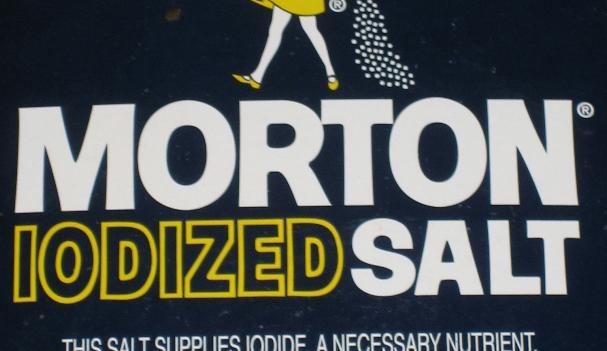
A particular diet may also require the use of thickening agents, emulsifiers, sweeteners, etc. The fortification of foods began in 1924 when iodine was added to table salt for the prevention of goitre. Vitamins are commonly added to many foods in order to enrich their nutritional value. They help to increase the shelf life of the food by maintaining product consistency, wholesomeness and freshness.
Nutritional value of food can be improved and maintained by additives

April 27, 2015

Dietary sources of vitamin A

Actual intake of vitamin A depends on the patterns of consumption of vitamin A-bearing animal food products and provitamin A-bearing fruits and particularly in green leafy vegetables. Animal sources of vitamin A include meat, liver, eggs, cow’s butter or ghee, milk and poultry.

The richest readily available dietary source of vitamin A is fish liver oil, especially cod liver. In particular, all–trans dehydroretinol, previously known as vitamin A2, is a vitamin A-related compound found in freshwater fish flesh and liver and to a lesser extent, on some marine fish. Cod liver and halibut fish oil contain high levels of vitamin A and have been used therapeutically.

Margarine, fluid milk and dry milk are typically fortified with retinyl palmitate in many countries. These products play a dramatic role in preventing vitamin A deficiency in countries where fortification is mandatory.

In the United States, milk is fortified with not less than 2000 IU vitamin A (retinyl palmitate).

The principal source of vitamin in the diet is likely to b from the carotenes which are widespread in those plant foods that have high green or yellow coloring.

There is a direct correlation between the greenness of a leaf and its carotene content. Dark green leaves, such as beet greens, collards, dandelion, greens, kale, mustard greens, spinach, Swiss chard, and turnip greens are rich in carotene.
Dietary sources of vitamin A

October 22, 2013

Vitamin fortification in milk

The term fortification is usually used to designated the addition of nutrients not naturally present in a food, whereas the term enrichment generally means the addition of nutrients already present in a food. Often the terms are used interchangeably.

Many milks are fortified with vitamins A and D. Vitamin D is found naturally in very few foods and was initially added to milk, a staple food, to reduce the incidence of rickets, a bone softening condition in children that was at one time endemic in North America.

The fortification of milk and infant milk with 400 IU of vitamin D2 or vitamin D3 has eliminated rickets as a health problem in the United States and Canada.

Because vitamins A and D are fat soluble they are found in the milk fat of whole milk. For this reason, whole milk is not required to be fortified with either vitamin, although many milk manufacturers add both.

Vitamin A and carotene are in the fat portion of the milk, the vitamin A activity is removed in reduced fat (2% fat) and fat free milks, dried whole milk and evaporated skim milk, so vitamin A fortification is required.

The fortification of dried skim milk with vitamin A is viewed by WHO and FAO as an important measure to combat vitamin A deficiency in developing countries.

Fortification with vitamin D in reduced fat and fat free milks is optional. Vitamin D fortification is required for evaporated whole and fat free milks.
Vitamin fortification in milk

January 23, 2012

Food fortification

In countries where existing food supplies and or limited access fail to provide adequate levels of these nutrients in the diet, food fortification is a promising approach.

Food fortification is the intentional addition of one or more micronutrients (vitamin and minerals) to processed foods to increase people’s intake of the micronutrients and provide a health benefits.

Food fortification is important alternatives which complement food based approaches to satisfy the nutritional needs of people in developing and developed countries.

The benefits of food fortification
*Correcting or preventing nutrient deficiencies in the population or specific population
*Replacement compensates for losses during production
*Standardized the nutrient content of specific products
*Achieve nutritional equivalence of substitute foods
 *Ensure appropriate nutrient content of special purpose foods

Food fortification has more likely played an important role in the decline of deficiency diseases, e.g. niacin fortification of flour and bread in the elimination of pellagra, iodine fortification of salt in the decline of goiter and vitamin D fortification of margarine and milk in the disappearance of rickets.

Fortification of what are known as ready-to-eat breakfast cereal, though not designed initially to combat any specific disease, has also made a major contribution to nutritional health for many.
Food fortification
 

The Most Popular Posts