Garlic, a staple in culinary traditions worldwide, harbors a potent bioactive compound known as allicin. This sulfur-containing compound, formed when garlic is chopped or crushed, holds a pivotal role in the array of health benefits associated with garlic consumption.
Allicin emerges as the principal bioactive compound in the aqueous extract of garlic or raw garlic homogenate, imparting the characteristic taste and aroma to this pungent herb. Its genesis lies in the activation of the allinase enzyme, which catalyzes the conversion of alliin, an alpha amino acid akin to cysteine, into allicin. This transformation underscores the significance of allicin as the precursor to various sulfur-containing compounds found in garlic.
One of the remarkable attributes of allicin is its anti-inflammatory properties and its capacity to thwart the deleterious effects of free radicals within the human body. By mitigating inflammation and neutralizing free radicals, allicin contributes to cellular and tissue protection, potentially averting a spectrum of ailments.
Moreover, allicin emerges as a formidable ally in combating bacterial infections, exhibiting broad-spectrum antibiotic properties effective against both gram-negative and gram-positive bacteria. This antibacterial prowess can be largely attributed to allicin's sulfhydryl modifying activity, which impedes sulfhydryl enzymes critical for bacterial survival.
Beyond its antibacterial effects, allicin extends its protective mantle to the liver, promoting hepatoprotection by curbing liver damage indicators such as aspartate transaminase (AST) and alanine transaminase (ALT) levels. Furthermore, allicin demonstrates efficacy in reducing fat accumulation, augmenting levels of glutathione and catalase, and diminishing microsomal protein cytochrome, collectively bolstering liver health.
The beneficial impact of allicin isn't confined to the liver; it also manifests potential in mitigating chronic kidney disease (CKD) by ameliorating hypertension, oxidative stress, and renal dysfunction. Through its multifaceted mechanisms, allicin emerges as a promising therapeutic agent in the realm of renal health.
In conclusion, allicin stands as a testament to the multifaceted benefits of garlic consumption. From its anti-inflammatory and antioxidant properties to its antibacterial efficacy and hepatorenal protection, allicin exemplifies nature's prowess in nurturing human health. Embracing garlic as a dietary staple offers a flavorful means to harness the therapeutic potential of allicin and cultivate well-being from within.
The Health Benefits of Allicin: Garlic's Active Compound
Showing posts with label garlic. Show all posts
Showing posts with label garlic. Show all posts
February 20, 2024
August 10, 2022
Allicin in garlic
Botanically, garlic (Allium sativum L.) is a member of the Lillaceae family, along with onions, chives, and shallots. Each segment of a garlic bulb is called a clove. There are about 10–20 cloves in a single bulb, give or take. Garlic is a particularly rich source of organosulfur compounds, which are thought to be responsible for its flavor and aroma, as well as its potential health benefits.
Allicin (allyl 2-propenethiosulfinate or diallyl thiosulfinate) is the principal bioactive compound present in fresh garlic. An enzyme called alliinase is activated when the clove is chopped or crushed. This enzyme converts alliin (S-allyl-L-cysteine sulfoxide) into allicin. A single garlic clove has about 5 mg to 18 mg of allicin.
Alliin accounts for approximately 80% of cysteine sulfoxides in garlic. Alliinase catalyzes the formation of sulfenic acids from L-cysteine sulfoxides (Alliin). Sulfenic acids spontaneously react with each other to form unstable compounds called thiosulfinates. In the case of alliin, the resulting sulfenic acids react with each other to form a thiosulfinate known as allicin.
Allicin breaks down to form a variety of organosulfur compounds, which are associated with protective effects. These include diallyl trisulfide (DATS), diallyl disulfide (DADS) and diallyl sulfide (DAS).
Allicin has antioxidant properties that can help significantly reduce oxidative stress. This means it may help protect against cellular damage, brain damage and many other age-related conditions. In 1990, the National Cancer Institute praised garlic for its ability to guard against cancer. Since then, multiple studies have shown that allicin and other active garlic compounds may shield against some cancers and keep cancer cells from spreading.
Siberian garlic has one of the highest concentrations of allicin when compared to other garlic varieties. Porcelain garlic, such as Romanian Red, Parvin and Georgian Crystal, also have high allicin content.
Allicin in garlic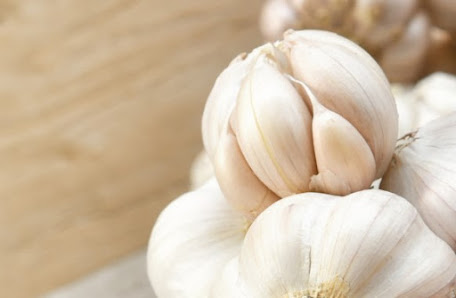
Allicin (allyl 2-propenethiosulfinate or diallyl thiosulfinate) is the principal bioactive compound present in fresh garlic. An enzyme called alliinase is activated when the clove is chopped or crushed. This enzyme converts alliin (S-allyl-L-cysteine sulfoxide) into allicin. A single garlic clove has about 5 mg to 18 mg of allicin.
Alliin accounts for approximately 80% of cysteine sulfoxides in garlic. Alliinase catalyzes the formation of sulfenic acids from L-cysteine sulfoxides (Alliin). Sulfenic acids spontaneously react with each other to form unstable compounds called thiosulfinates. In the case of alliin, the resulting sulfenic acids react with each other to form a thiosulfinate known as allicin.
Allicin breaks down to form a variety of organosulfur compounds, which are associated with protective effects. These include diallyl trisulfide (DATS), diallyl disulfide (DADS) and diallyl sulfide (DAS).
Allicin has antioxidant properties that can help significantly reduce oxidative stress. This means it may help protect against cellular damage, brain damage and many other age-related conditions. In 1990, the National Cancer Institute praised garlic for its ability to guard against cancer. Since then, multiple studies have shown that allicin and other active garlic compounds may shield against some cancers and keep cancer cells from spreading.
Siberian garlic has one of the highest concentrations of allicin when compared to other garlic varieties. Porcelain garlic, such as Romanian Red, Parvin and Georgian Crystal, also have high allicin content.
Allicin in garlic


Subscribe to:
Posts (Atom)
The Most Popular Posts
-
 Theophylline in Natural Sources: Stimulant and Health Benefits in Cocoa, Tea, Guarana, and Kola NutsTheophylline is naturally present in cocoa beans, with Criollo cocoa beans containing up to 3.7 mg/g, making them a significant source of th...
 -
 Crude fat refers to the crude mixture of fat-soluble material present in a sample, encompassing a range of lipid materials including triglyc...
 -
 Gelatinization occurs when starch granules are heated in a liquid. It is responsible for the thickening of food systems. The process is an i...
 -
 Crude fiber is a measure of the quantity of indigestible cellulose, pentosans, lignin, and other components of this type in present foods. ...
 -
 Crude fat is the term used to refer to the crude mixture of fat-soluble material present in a sample. Crude fat also known as the ether ext...