Processed and mass-produced foods frequently incorporate food additives, which are substances added primarily for technical purposes. These additives serve various functions, such as improving safety, extending shelf life, or altering the sensory characteristics of food. Throughout history, substances like salt, spices, and sulfites have been employed to safeguard and enhance the flavor of foods.
It's noteworthy that many additives utilized by the food industry occur naturally in everyday foods. For example, MSG is found in higher quantities naturally in parmesan cheese, sardines, and tomatoes than when added as a food supplement.
Food additives can be broadly divided into three groups based on their functions: flavoring agents, enzyme preparations, and other additives that fulfill roles such as preservation, coloring, and sweetening.
Some of the most common food additives include monosodium glutamate (MSG), artificial food coloring, sodium nitrite, guar gum, and high-fructose corn syrup. These additives play a pivotal role in the development of modern products like low-calorie options, snacks, and ready-to-eat convenience foods.
Nevertheless, specific individuals may encounter issues with particular additives. Examples include flavor enhancers like monosodium glutamate (MSG) 621, food colorings such as tartrazine 102, yellow 2G107, sunset yellow FCF110, and cochineal 120. Additionally, preservatives like benzoates (210, 211, 212, 213), nitrates (249, 250, 251, 252), and sulphites (220, 221, 222, 223, 224, 225, 228), as well as the artificial sweetener aspartame (951), may cause problems for certain individuals.
In conclusion, while food additives play a crucial role in the production and preservation of a diverse range of food products, it's essential to be mindful of potential sensitivities or reactions that some individuals may experience with specific additives.
Food Additives: Types and Concerns
Showing posts with label type. Show all posts
Showing posts with label type. Show all posts
February 6, 2026
August 17, 2023
Lipid Types and Structures
Lipids represent a varied array of compounds linked to fatty acids and displaying insolubility in water. They can be divided into two primary categories:
Waxes represent a form of simple lipid. Structurally, they manifest as esters derived from long-chain (C14-C36) saturated and unsaturated fatty acids along with extended-chain (C16-C30) alcohols. Waxes exhibit insubordination to water solubility, possess a diminished susceptibility to hydrolysis in comparison to fats and oils, and maintain solidity at typical room temperatures. Notably, cholesterol esters, prevalent in blood and diverse tissues, serve as pivotal waxes within the human body. Waxes often serve as safeguarding coatings for feathers, fur, skin, leaves, and fruits in the natural realm.
Certain plants, such as rhododendrons, poison ivy, and various tropical plants, display a lustrous exterior due to their wax coatings. This protective layer functions to mitigate water evaporation and offer defense against parasites.
Sebum, secreted by the skin's sebaceous glands, contains waxes that aid in preserving skin suppleness and preventing dehydration.
Wax esters have the potential to amass significantly within biological tissues. They serve as the fundamental constituents of substances like beeswax and jojoba oil.
Lipid Types and Structures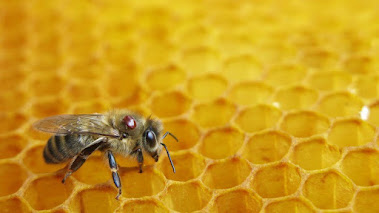
1.Saponifiable lipids: These consist of esters and are capable of undergoing a process known as saponification.
2.Nonsaponifiable lipids: These lack ester groups and are not susceptible to saponification.
The class of saponifiable lipids can be further segmented into:
2.Nonsaponifiable lipids: These lack ester groups and are not susceptible to saponification.
The class of saponifiable lipids can be further segmented into:
- Simple lipids: Comprising two core components—namely, a fatty acid and an alcohol.
- Complex lipids: Encompassing more than two elements, including fatty acids, alcohols, and additional constituents.
Waxes represent a form of simple lipid. Structurally, they manifest as esters derived from long-chain (C14-C36) saturated and unsaturated fatty acids along with extended-chain (C16-C30) alcohols. Waxes exhibit insubordination to water solubility, possess a diminished susceptibility to hydrolysis in comparison to fats and oils, and maintain solidity at typical room temperatures. Notably, cholesterol esters, prevalent in blood and diverse tissues, serve as pivotal waxes within the human body. Waxes often serve as safeguarding coatings for feathers, fur, skin, leaves, and fruits in the natural realm.
Certain plants, such as rhododendrons, poison ivy, and various tropical plants, display a lustrous exterior due to their wax coatings. This protective layer functions to mitigate water evaporation and offer defense against parasites.
Sebum, secreted by the skin's sebaceous glands, contains waxes that aid in preserving skin suppleness and preventing dehydration.
Wax esters have the potential to amass significantly within biological tissues. They serve as the fundamental constituents of substances like beeswax and jojoba oil.
Lipid Types and Structures


Subscribe to:
Posts (Atom)
The Most Popular Posts
-
 Theophylline in Natural Sources: Stimulant and Health Benefits in Cocoa, Tea, Guarana, and Kola NutsTheophylline is naturally present in cocoa beans, with Criollo cocoa beans containing up to 3.7 mg/g, making them a significant source of th...
 -
 Crude fat refers to the crude mixture of fat-soluble material present in a sample, encompassing a range of lipid materials including triglyc...
 -
 Crude fiber is a measure of the quantity of indigestible cellulose, pentosans, lignin, and other components of this type in present foods. ...
 -
 Gelatinization occurs when starch granules are heated in a liquid. It is responsible for the thickening of food systems. The process is an i...
 -
 Crude fat is the term used to refer to the crude mixture of fat-soluble material present in a sample. Crude fat also known as the ether ext...